Enema Overuse and Electrolyte Imbalance: Risks, Symptoms and Safer Play
Most people reach for an enema or anal douche as part of their routine in order to feel more comfortable before bottoming. That part’s normal, and there’s nothing to be ashamed of. What’s less talked about is the less glamorous side effect of doing it too often: enema overuse electrolyte imbalance, a real medical issue that can throw off your body’s chemistry well beyond your gut.
Electrolytes are the minerals, like sodium, potassium, and calcium, that keep your muscles, nerves, and heart running the way they should. Your colon plays a bigger role in that balance than most people realize, which is exactly why repeated or aggressive enema use can ripple out into symptoms that have nothing to do with sex prep at all.
This guide covers what actually happens in your body when enemas are overused, the electrolyte imbalance symptoms worth watching for, safer routines for anal play, and when it’s time to call a doctor. Future Method builds science-backed products designed to support anal hygiene without pushing your body past what it can handle.
Enemas 101: Saline, Mineral Oil, Water and More
An enema introduces fluid into the rectum or colon, either to cleanse before a medical procedure or to treat constipation, but many people choose them for douching. A saline enema uses a solution close to your body’s own salt concentration, which is why it’s the most common over-the-counter option and generally the gentlest on electrolyte balance, which is why so many gay men go this route for anal sex prep.
A saline vs water enema comparison comes down to osmolality: plain water pulls electrolytes out of the rectal lining through osmosis, while saline is designed to match your body’s chemistry more closely. Mineral oil vs saline enema is a different comparison entirely, since mineral oil is meant to lubricate and soften stool rather than flush the colon, though overuse can lead to leakage or dependence on it for regular bowel movements.
Sodium phosphate enemas, like Fleet Saline Enema or Pedia-Lax, work fast because they pull large amounts of water into the colon, but that same mechanism is what makes them the highest-risk option for electrolyte disturbances. These products are meant to be used exactly as directed on the label, not as a regular part of sex prep.
| Enema Type | Speed | Typical Purpose | Electrolyte Risk |
| Saline | Moderate | Sex prep, mild constipation | Low, when used occasionally |
| Tap water | Moderate | DIY cleansing | Moderate, pulls electrolytes via osmosis |
| Mineral oil | Slow | Stool softening | Low, but can cause dependence |
| Sodium phosphate | Fast | Medical constipation relief | High with repeated or excessive use |
For more on how water-based douching affects the body, our guide on the side effects of douching with water goes deeper.
How Enema Overuse Causes Electrolyte Imbalance
Your colon absorbs more than waste. It absorbs water and minerals too, which is exactly how enema overuse electrolyte imbalance happens in the first place. Hyperosmotic solutions, like sodium phosphate enemas, pull large volumes of water into the colon, and that fluid shift can leave you dehydrated while spiking certain electrolytes at the same time.
Sodium phosphate enemas specifically are linked to hyperphosphatemia, a phosphate spike that can trigger low calcium levels as a downstream effect. Even milder enemas, when used too often, can still contribute to dehydration and dips in potassium or sodium. On top of the chemistry, frequent enemas can train your body to depend on them for bowel movements and irritate the rectal lining over time.
Medical sources including the Cleveland Clinic caution that repeated or high-volume sodium phosphate enemas can cause serious electrolyte disturbances, particularly in people with kidney or heart conditions, and should never be used more often than directed.
Picture the daily enema before a hookup, or the constipation cleanse repeated every few days. Neither is inherently dangerous on its own, but stacked up over weeks, that’s exactly the pattern that turns a sex-prep habit into a real electrolyte problem.
Electrolytes Affected By Enema Overuse
These shifts start in the gut, but the electrolytes affected by enema overuse quickly become a whole-body issue once things get severe enough:
- Phosphate: Sodium phosphate enemas can spike phosphate levels, a condition called hyperphosphatemia that often drags calcium down with it.
- Calcium: Low calcium, or hypocalcemia, can follow a phosphate spike and shows up as muscle cramps, tingling, or spasms.
- Potassium: Fluid shifts, diarrhea, or repeated laxative use can lower potassium, leading to hypokalemia and, in more severe cases, an irregular heartbeat.
- Sodium: Too much free water relative to sodium can cause hyponatremia, which shows up as fatigue, confusion, or headaches.
- Magnesium: Magnesium-containing products can push levels too high, known as hypermagnesemia, especially in people with existing kidney issues.
On their own, small shifts usually resolve quickly. Stacked together, though, they can affect muscle function, heart rhythm, and mental clarity.
Electrolyte Imbalance Symptoms To Watch For
Electrolyte imbalance symptoms tend to show up in tiers, and knowing which tier you’re in helps you decide what to do next.
- Mild to moderate: muscle cramps, twitching, fatigue, headaches
- Heart-related: heart palpitations, irregular heartbeat, chest discomfort
- Neurologic red flags: confusion, severe dizziness, seizures, trouble staying awake
These symptoms tend to show up after a series of enemas, especially when paired with dehydration or skipped meals. Mild symptoms are usually a sign to stop, rest, and rehydrate. Heart-related symptoms deserve a same-week call to a provider. Confusion, seizures, chest pain, or severe dizziness mean it’s time for emergency care rather than waiting to see if things improve. Stopping enema overuse and getting care early can often reverse the imbalance, so mention your enema use when you talk to a doctor about any of these symptoms.
Prevention And Safer Routines Before Anal Play Or Procedures
Enemas work best as an occasional tool for constipation or medical procedure prep rather than a frequent routine before every hookup. Reserving them for when you actually need one goes a long way toward avoiding electrolyte problems altogether.
When you do want to prep before sex, opt for a douche rather than an enema, and be sure to use smaller volumes and body-friendly solutions that put a lot less strain on your system than large or repeated flushes. For a full walkthrough of a gentler routine, check out Dr. Goldstein’s tips for safe anal douching.
For regular bowel health outside the bedroom, staying hydrated, eating enough fiber, moving your body, and giving yourself consistent bathroom time all help more than people expect. If constipation is a recurring issue, a clinician can talk you through oral options like polyethylene glycol or stool softeners instead of relying on enemas long term.
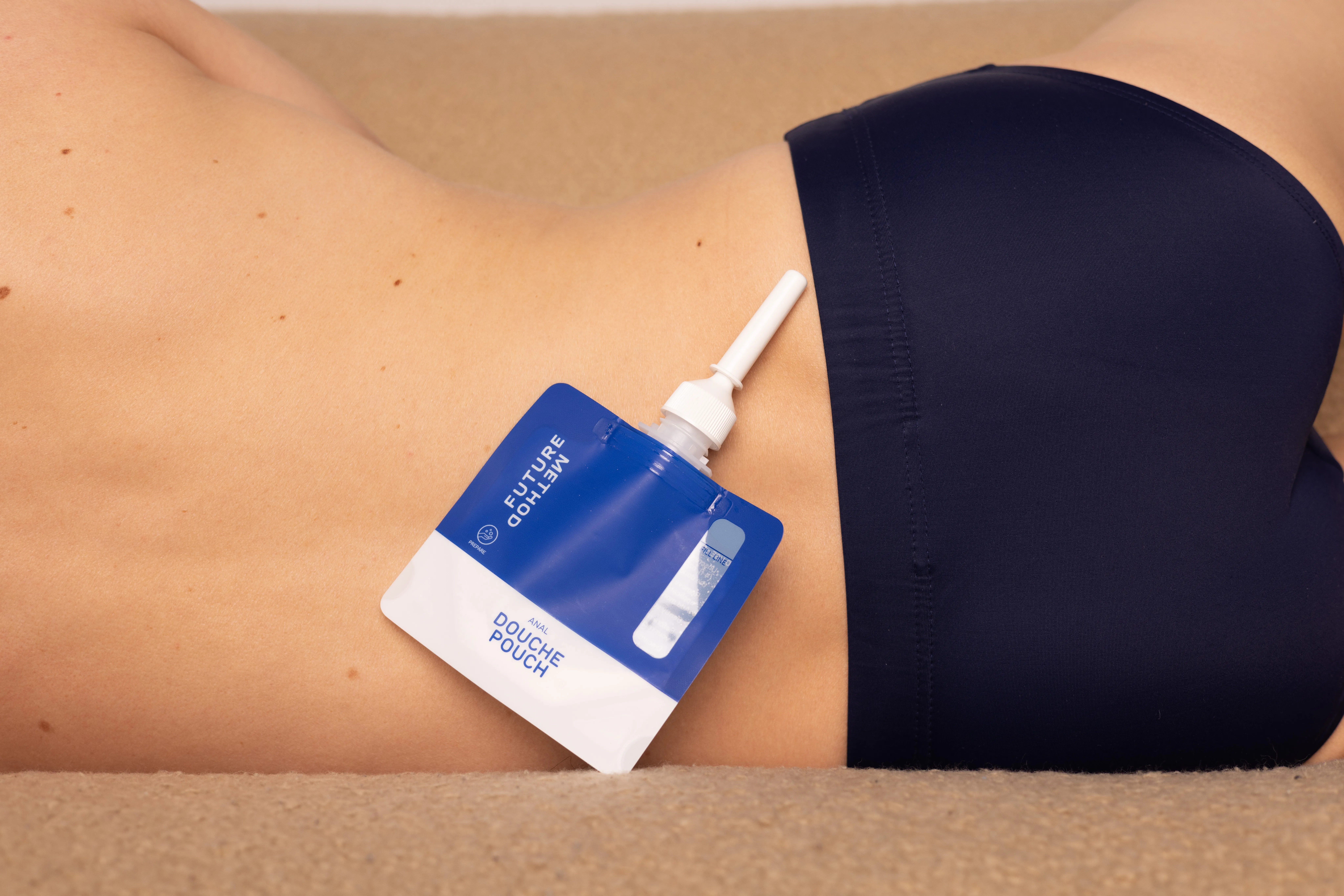
Future Method’s reusable bulb and anal douche powder packs are built to be gentler on your body than sodium phosphate products. Listen to how you feel, stop if something seems off, and space out any more invasive prep instead of doing it back to back.
Who Is Most At Risk From Frequent Enemas
Some people face higher stakes from enema overuse than others. Kidney disease, heart failure, and certain hormonal or electrolyte disorders all make it harder for the body to clear extra phosphate, magnesium, and fluid shifts, and older adults can see dramatic phosphate spikes even with otherwise normal kidney function.
People taking diuretics or other medications that affect fluid balance face added risk for hypokalemia or hyponatremia. Combining enemas with fasting, extreme diets, or heavy alcohol use raises the stakes further, since the body has less reserve to buffer sudden fluid and mineral shifts.
Are frequent enemas harmful? The picture that emerges is that risk climbs with both frequency and any underlying health condition. If you fall into one of these higher-risk groups, it’s worth talking with a healthcare provider before making enemas or anal cleansing routines a regular habit.
Faqs About Enemas, Electrolytes And Safer Sex
How often is it safe to use an enema for sex prep?
Enemas should be used occasionally under a doctor’s guidance rather than as a daily habit before anal sex, since frequent use can disrupt fluid balance and irritate the rectum. A safer approach is to opt for a body-safe douche instead, limiting use and avoiding repeated flushing when possible.
Can using too many enemas damage your body long term?
Overuse can lead to electrolyte imbalances, dehydration, and irritation of the rectal lining, especially with repeated or high-volume use. Most of these risks are preventable by reducing frequency and choosing less disruptive cleansing routines.
What should I do if I think I’ve overused enemas?
Stop using enemas and rehydrate, and keep an eye out for symptoms like cramps, fatigue, or dizziness. Seek medical care if symptoms persist or worsen, especially with confusion, chest discomfort, or severe weakness.
What’s the difference between an enema and an anal douche?
Enemas are larger-volume, often medical treatments that can affect deeper bowel function and fluid balance. Anal douches are smaller-volume and designed for gentler, surface-level rinsing with less impact on the body.
Wrap Up: Keep Your Butt And Your Balance Happy
More enemas don’t equal better sex or better health. The biggest risks come from using the wrong solution and overdoing it, especially with sodium phosphate products, which can throw off phosphate, calcium, potassium, sodium, and magnesium levels enough to affect your heart and kidneys.
Talk openly with your partners and providers, build in safer prep habits, and pay attention to early electrolyte imbalance symptoms rather than pushing through them. Explore more of Future Method’s education resources, and check out the reusable bulb and anal douche powder packs for a routine that’s better for your body than enemas.